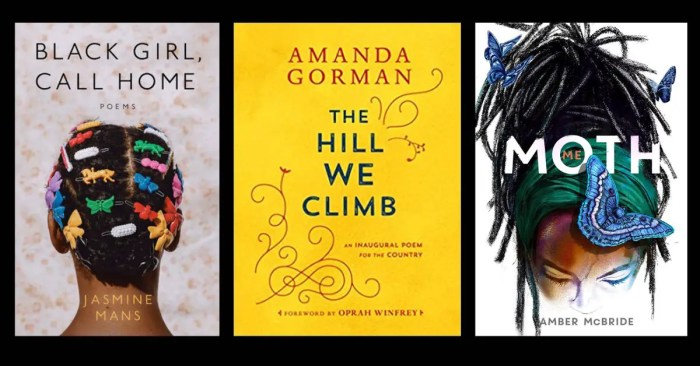
Best poetry books take you on a whimsical journey through the heart and soul of human experience, where every word dances like a poet at a coffee shop open mic night. These literary treasures not only tickle your imagination but also offer a glimpse into the profound themes and styles that have defined poetry through the ages.
From the stirring verses of timeless classics to contemporary gems that echo with modern sentiments, the world of poetry is vast and vibrant. Whether you’re a seasoned literary aficionado or just dipping your toes into the poetic waters, these works are guaranteed to spark joy and contemplation alike.
Popular Poetry Books
Poetry has a unique ability to capture emotions, weave narratives, and spark thoughts with just a handful of words. Over the years, numerous poetry books have not only gained critical acclaim but have also found a cherished place in the hearts of readers across the globe. From the classic sonnets of Shakespeare to contemporary verses that challenge societal norms, the diversity and richness of poetry continue to inspire and provoke thought.The following list highlights ten of the most prominent poetry books that have left an indelible mark on literary history.
These works encompass various themes and styles, reflecting the evolution of poetry throughout the ages and their significant impact on contemporary poetic discourse.
Top Ten Poetry Books
The impact of these poetic works is immeasurable, influencing countless poets and readers alike. Below is a compilation of ten significant poetry books, each noteworthy for its unique voice and thematic depth:
- The Complete Poems of Emily Dickinson
-A collection that dives into themes of death, immortality, and nature, showcasing Dickinson’s innovative use of meter and rhyme. - Leaves of Grass by Walt Whitman
-Celebrated for its embrace of individuality and democracy, this work’s free verse style revolutionized American poetry. - The Waste Land by T.S. Eliot
-A modernist masterpiece that addresses disillusionment and fragmentation in post-war society, laden with rich allusions and innovative structure. - Milk and Honey by Rupi Kaur
-A contemporary collection that explores themes of love, loss, trauma, and healing, known for its accessibility and poignant illustrations. - The Sun and Her Flowers by Rupi Kaur
-A follow-up to Kaur’s debut, this book delves deeper into personal growth, feminine identity, and self-acceptance through relatable verse. - Selected Poems by Robert Frost
-Famed for his depictions of rural New England life and profound insights into the human condition, Frost’s work resonates with readers across generations. - Funeral Blues and Other Poems by W.H. Auden
-Known for its emotional depth and exploration of love and loss, Auden’s work blends humor with poignant reflection. - Night Sky with Exit Wounds by Ocean Vuong
-A contemporary collection examining themes of identity, family, and the immigrant experience, written in lyrical and vivid language. - They Can’t Kill Us Until They Kill Us by Hanif Abdurraqib
-A blend of personal essays and poetry that reflects on culture, music, and the complexities of life as a Black man in America. - The Collected Poems of Audre Lorde
-This collection showcases Lorde’s fierce exploration of race, sexuality, and feminism, establishing her as a voice of empowerment and resistance.
“Poetry is when an emotion has found its thought and the thought has found words.”
Robert Frost
These ten poetry books not only stand out for their literary significance but also continue to influence contemporary poetry. They are a testament to the enduring power of verse, igniting inspiration and conversation among readers and writers alike. Each author, with their distinct style and thematic focus, has contributed uniquely to the literary landscape, ensuring that poetry remains a vibrant and essential part of our culture.
Notable Poets and Their Works

Poetry is a delightful dance of words, where emotions waltz and thoughts tango on the pages. Throughout history, some poets have pirouetted into the spotlight, capturing the hearts and minds of readers with their brilliant collections. This exploration will take you on a whirlwind tour of five influential poets and their most celebrated works, along with a peek into the techniques that helped shape their output.
Buckle up!
Influential Poets and Their Celebrated Collections
Dive into the poetic prowess of five remarkable poets whose works continue to resonate across generations. Each poet utilized their unique experiences to forge collections that reflect the highs and lows of the human experience.
- Robert Frost
-Known for his vivid depictions of rural life, Frost’s collection “The Road Not Taken and Other Poems” encapsulates decision-making and introspection. His mastery of conversational language makes profound themes relatable. - Maya Angelou
-Her seminal work, “I Know Why the Caged Bird Sings,” marries autobiography with poetic beauty, shedding light on resilience amidst adversity. Angelou’s verses are like an empowering battle cry for the oppressed. - Pablo Neruda
-In “Twenty Love Poems and a Song of Despair,” Neruda’s passionate love poems evoke strong emotions, blending sensual imagery with deep philosophical musings. His verses are known to make hearts flutter (and sometimes break). - Emily Dickinson
-Her collection “The Complete Poems of Emily Dickinson” reveals her innovative use of slant rhyme and unconventional capitalization. Dickinson’s exploration of death and immortality feels intimate and hauntingly beautiful. - Langston Hughes
-“The Weary Blues” reflects Hughes’ experience with jazz and blues music, intertwining rhythm and rhyme in a way that captures the struggles and aspirations of the African American community.
Comparison of Poetic Techniques
The techniques employed by these poets not only highlight their unique voices but also the personal experiences that shaped their writing. Below is a breakdown of their distinctive styles.
Poetic techniques can illuminate the poet’s intent, and the personal narrative often colors the lens through which their art is created.
| Poet | Technique | Influence of Personal Life |
|---|---|---|
| Robert Frost | Imagery, Symbolism | Frost’s rural New England background informs his nature-centric themes, reflecting his own contemplations. |
| Maya Angelou | Autobiographical Elements, Free Verse | Her experiences with racism and trauma shape powerful messages of strength and identity. |
| Pablo Neruda | Imagery, Metaphor | Neruda’s passionate love life and political activism color his poetic expressions. |
| Emily Dickinson | Slant Rhyme, Unconventional Punctuation | Her reclusive lifestyle and intellectual curiosity influence her exploration of existential themes. |
| Langston Hughes | Rhythm, Jazz Influence | Hughes’ experiences in Harlem during the Harlem Renaissance fueled his rhythmic and cultural explorations. |
Through their unique poetic techniques, these influential poets not only shaped the literary landscape but also carved out personal narratives that resonate with universal themes. Their works continue to inspire and challenge readers to reflect on their own lives, proving that poetry is indeed a powerful vehicle for connection and expression.
Poetry Playscripts
Creating a poetry playscript is akin to assembling a delightful sandwich—layering poetic expression with performance elements to produce a tantalizing feast for the senses. This venture not only delights the audience but also provides a unique platform for poets to showcase their work in a dynamic format. By marrying the cadence of poetry with the immediacy of theatrical performance, we open up a treasure trove of possibilities for artistic expression.
This is a journey where words leap off the page and dance in the spotlight, inviting both performers and spectators to engage in a shared experience of emotion, rhythm, and rhyme.
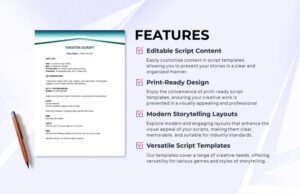
Poetry playscripts require a thoughtful approach to structure and performance, ensuring that the essence of the poem is preserved while allowing for the vibrancy of stagecraft. Transitioning from the written to the performed word involves not merely reading the poem aloud but interpreting it through dialogue, movement, and staging. This process can breathe new life into established works, effectively transforming them into a fresh narrative experience.
A well-crafted poetry playscript retains the integrity of the original poem, while also incorporating elements that make it suitable for performance—such as character development, stage directions, and dramatic tension.
Framework for Creating a Poetry Playscript
To create an engaging poetry playscript, one must consider several structural elements that enhance both the poetic and the performance aspects. Below are key components to include in the framework:
- Selection of Poem: Choose a poem that resonates with emotional depth and has vivid imagery. Think of it as selecting your main ingredient—opt for something that can stand alone or blend well with others.
- Character Development: Identify speakers and characters within the poem. Give them voices, personalities, and quirks to bring the narrative to life on stage, much like seasoning your sandwich to suit your taste.
- Dialogue Adaptation: Transform the poem’s lines into dialogue that can be spoken by characters, maintaining the original’s rhythm and meter but allowing for natural conversation flow.
- Stage Directions: Incorporate directions that enhance the scene, guiding actors on movements, gestures, and expressions, akin to crafting the perfect ambiance for your meal.
- Thematic Elements: Highlight themes and motifs through visual elements or props, adding layers to the performance that deepen the audience’s understanding.
“The stage is a world of possibilities, where poetry finds its voice through the rhythm of movement and emotion.”
Adapting a Famous Poem into Playscript Format
Adapting a famous poem into a playscript format involves a step-by-step process that respects the original work while transforming it for the stage. Here are essential structural elements to consider when embarking on this adaptation journey:
- Title and Theme: Retain the original title to maintain connection while exploring its thematic depth through performance elements.
- Character Identification: Determine who speaks in the poem and how they interact. Create backstories that inform their motivations and relationships.
- Scene Breakdown: Divide the poem into distinct scenes or sections, ensuring each encapsulates a moment in the narrative with a clear beginning, middle, and end.
- Dialogue Formatting: Structure the script using character names followed by their lines, ensuring a clear distinction between spoken word and stage directions.
- Incorporating Movement: From blocking to choreography, detail how characters move through the space, using body language to amplify the poem’s emotional impact.
“Like a fine wine paired with the right dish, a well-adapted playscript brings poetry into delicious harmony on stage.”
Utilization of Poetry Playscripts in Educational Settings
Poetry playscripts can be powerful tools in educational settings, providing a multi-layered approach to understanding poetic forms and their expressive capabilities. By engaging students in performance, these scripts open avenues for deeper comprehension and appreciation of poetry. The following points highlight their educational benefits:
- Interactive Learning: Students actively participate in the learning process by performing and interpreting poetry, rather than merely analyzing it from a distance.
- Enhanced Comprehension: Through performance, students grasp complex themes, emotions, and nuances within poems, gaining insight not easily achieved through written analysis alone.
- Creative Expression: Performance encourages students to explore their creativity, experimenting with voice, movement, and interpretation, fostering a deeper connection with the text.
- Collaboration and Teamwork: Working together on a poetry playscript promotes collaboration among students, enhancing their communication skills and ability to work in groups.
- Confidence Building: Performing in front of peers helps build confidence in students, encouraging them to express their thoughts and feelings more openly.
“Poetry and performance together create a classroom where every word is a step, and every line is a leap into the imagination.”
Final Conclusion
In conclusion, exploring the realm of the best poetry books is akin to embarking on a grand adventure where every poem is a new destination filled with emotion, insight, and humor. As we’ve traversed through iconic poets, their masterpieces, and the innovative art of poetry playscripts, it’s clear that poetry remains a powerful form of expression that continues to inspire and challenge us.
FAQ Explained
What makes a poetry book a classic?
A classic poetry book typically resonates through time, offering universal themes that speak to the human condition while showcasing exceptional craft.
Can poetry books improve my writing skills?
Absolutely! Reading poetry can enhance your understanding of language, rhythm, and imagery, which can translate into better writing.
Do I need to understand all the references in poetry?
Nope! Poetry often uses metaphor and nuance, so enjoying the feeling and flow can be just as important as understanding every reference.
How can I choose the best poetry book for me?
Consider your mood and interests! Poetry ranges from heartfelt to humorous, so pick a book that resonates with where you are in life.
Are poetry playscripts a good educational tool?
Yes! They blend performance and literature, making poetry more accessible and engaging for students through active participation.