Welcome to the enchanted world where quills meet stage lights and playwrights become the rock stars of the theatrical universe! Famous playwrights have been the backbone of theatre history, sculpting narratives that tickle our funny bones, tug at our heartstrings, and sometimes leave us questioning our life choices. From the mysterious shadows of ancient Greece to the bustling modern-day, their works have transcended time, inspiring generations and keeping us glued to our seats.
Throughout the ages, these wordsmiths have penned plays that not only entertain but also provoke thought and instigate change. With notable achievements that range from Shakespeare’s poetic masterpieces to the contemporary punches thrown by modern writers, the legacy of these playwrights is a tapestry woven with diverse themes, styles, and innovative techniques. So, tighten your suspenders and grab your popcorn, because we’re about to dive into the fascinating world of Famous playwrights!
Overview of Famous Playwrights
The realm of theatre has been graced by the genius of numerous playwrights who have shaped its history and evolution. These literary wizards have spun tales that resonate with the human experience, transforming the stage into a reflection of society’s virtues, vices, and everything in between. From the Greek origins to contemporary dramas, the impact of these playwrights is as profound as a Shakespearean soliloquy, enchanting audiences and igniting dialogue that transcends generations.The historical significance of famous playwrights can be observed through their remarkable achievements and the cultural contexts in which they wrote.
Each era has birthed playwrights who were not only artists but also commentators on their times, tackling themes of love, power, morality, and the absurdity of existence. These theatrical titans crafted stories that not only entertained but also prompted audiences to contemplate their lives and societies.
Notable Playwrights and Their Contributions
Throughout history, many playwrights have left indelible marks on the world of theatre. Their contributions have paved the way for future generations of writers and actors. Here are some of the most influential figures:
- William Shakespeare
-Known as the Bard, his mastery of language and character development has influenced countless works in English literature. His plays explore complex human emotions and societal issues, making them timeless. - Henrik Ibsen
-Often called the father of modern drama, Ibsen introduced realistic characters and social criticism. His plays, such as “A Doll’s House,” challenged societal norms and the roles of women. - Tennessee Williams
-A giant of American theatre, Williams explored themes of desire, mental illness, and societal collapse. His poignant plays, including “A Streetcar Named Desire,” are celebrated for their emotional depth.
These playwrights, among others, have not only provided profound insights into human nature but have also challenged prevailing norms, offering audiences a chance to reflect on their lives.
Key Themes and Styles in Playwright Works
The works of various playwrights are characterized by distinct themes and styles that reveal the unique perspectives they bring to the stage. Understanding these elements provides insight into their contributions to theatre.The following themes recur frequently in the works of renowned playwrights:
- Identity and Self-Discovery
-Many playwrights delve into the struggles of personal identity, examining how social and cultural contexts shape individual experiences. - Power and Corruption
-The interplay of power dynamics is a common theme, often highlighting the moral dilemmas faced by characters in positions of authority. - Love and Relationships
-Love, in its many forms—romantic, familial, and platonic—serves as a central theme that connects characters and drives the narrative.
Playwrights employ various styles to convey these themes, from the poetic language of Shakespeare to the stark realism of Ibsen. Their ability to engage audiences through diverse stylistic approaches ensures that each work resonates on multiple levels, effectively fostering a deeper understanding of the human condition.
“Theatre is a mirror of society, reflecting our follies, triumphs, and the absurdity of our existence.”
Influence of Famous Playwrights on Modern Theatre
The echoes of classic playwrights resonate through the hallowed halls of modern theatre, bouncing off the walls like that one overzealous actor who always forgets their lines. From Shakespeare’s character development to Chekhov’s subtext, the techniques and themes pioneered by these literary giants have carved the very foundation of contemporary performance art. With a sprinkle of humor and a dash of drama, let’s unravel the ways these historical creators have shaped the modern stage.The influence of famous playwrights on contemporary theatre is akin to a recipe passed down through generations—the ingredients might shift, but the essence remains.
Classic playwrights introduced complex characters, intricate plot structures, and profound themes that remain relevant today. Their ability to weave human experience into the fabric of their plays has become a blueprint for modern writers. While classic playwrights often relied on rigid structures and poetic language, modern playwrights tend to embrace a more fluid narrative, often blurring the lines between reality and fiction.
Comparative Techniques of Classic and Modern Playwrights
The evolution of theatrical techniques from classic playwrights to modern day demonstrates a fascinating transformation in storytelling. Classic playwrights like Anton Chekhov, known for his use of subtext, and Tennessee Williams, with his emotionally charged characters, laid the groundwork for the nuanced expressions seen in today’s theatre. Modern playwrights, such as Lynn Nottage and David Mamet, creatively adapt these techniques, often employing minimalism and fragmented narratives to reflect the chaotic nature of contemporary life.While the likes of Shakespeare employed iambic pentameter and elaborate soliloquies to convey characters’ inner thoughts, modern writers may opt for dialogue that feels more conversational and relatable, mirroring the speech patterns of everyday life.
The dynamic shift from grand theatricality to raw realism has allowed audiences to connect with characters on a deeper level. The list below highlights notable modern playwrights who pay homage to their classical predecessors, demonstrating that the dramatic torch has been passed with flair and finesse:
- Lynn Nottage
-Known for her Pulitzer Prize-winning works, Nottage often explores themes of identity and social justice, drawing inspiration from the emotional depth found in classic Greek tragedies. - David Mamet
-His sharp dialogue and emphasis on the power dynamics of language can be traced back to the likes of Harold Pinter and Eugene O’Neill, creating tension with every syllable. - Tom Stoppard
-Renowned for his witty exploration of philosophical themes, Stoppard blends the absurdity of modern life with echoes of Shakespeare’s complex characters. - Sarah Ruhl
-With her poetic approach to storytelling, Ruhl integrates fantastical elements reminiscent of classical myths, drawing from the rich tapestry of playwrights like Euripides. - Lin-Manuel Miranda
-A revolutionary figure in musical theatre, Miranda’s work in “Hamilton” showcases the blend of history and modernity, reminiscent of Brecht’s epic theatre techniques.
Through these connections, it is evident that the works of classic playwrights are not merely relics of the past; they are living, breathing influences that continue to inspire and shape the landscapes of modern theatre, ensuring that the stage remains a vibrant forum for exploration, inspiration, and, of course, a little bit of drama!
Poetry Playscripts and Their Distinction from Traditional Plays
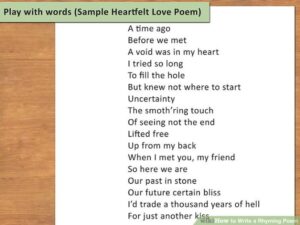
Poetry playscripts are like the eccentric relatives of traditional plays—both related to theatre but with their own unique quirks and flair! While traditional plays often focus on dialogue and dramatic structure, poetry playscripts dance and prance with rhythm, meter, and a sprinkle of lyrical magic that can leave audiences spellbound or scratching their heads in confusion. Picture Shakespeare’s sonnets throwing a party with Samuel Beckett’s absurdity—only the bravest (or most curious) would dare to join in!
The distinction between poetry playscripts and traditional plays primarily lies in their reliance on poetic devices and language. While conventional plays prioritize exposition and character development through straightforward dialogue, poetry playscripts weave intricate tapestries of sound, rhythm, and metaphor, transforming dialogue into a form of musical expression. Poets often employ various techniques such as enjambment, alliteration, and imagery to evoke emotions and create vivid scenes that linger like the aftertaste of a fine wine—or a shot of espresso, depending on your preference.
Famous Poets Who Have Written Playscripts
Many renowned poets have ventured into the realm of playscripts, leaving behind masterpieces that resonate with the cadence of their poetic voices. Their works often blend sharp wit with profound insights, creating an experience that feels both cerebral and sensorial. Here are some notable figures and their contributions:
- William Shakespeare: Often dubbed the master of the English language, his plays like “Hamlet” and “A Midsummer Night’s Dream” are rich with poetic language that elevates the dialogue to art. His use of iambic pentameter is both a delight and a challenge for actors, turning performances into lyrical showcases.
- T.S. Eliot: Known for “Murder in the Cathedral,” Eliot took a different route from typical narrative structures and infused his work with rich symbolism and haunting rhythm, creating a spiritual experience that transcends conventional storytelling.
- Wallace Stevens: In “Notes Toward a Supreme Fiction,” Stevens utilized poetic playfulness, intertwining abstract thoughts with theatrical elements. His ability to conjure vivid imagery through language invites both viewers and readers to interpret the experience in myriad ways.
- Sarah Kane: With plays like “4.48 Psychosis,” Kane’s writing exemplifies the fusion of intense emotional landscapes with poetic language, showcasing how rhythm can mirror the tumultuous experiences of mental illness.
Language and rhythm in poetry playscripts serve as the heartbeat of the performance, adding layers of meaning and engagement that standard dialogue often lacks. The significance of rhythm, for instance, can transform a seemingly mundane line into a powerful emotional plea. Consider the difference between “I can’t believe this is happening” and “I can’t believe this—is happening!” The latter, with its unexpected pause, can create tension or anticipation that pulls the audience deeper into the scene.
Moreover, poetic language can elevate a performance from ordinary to extraordinary, as actors navigate the nuances of tone, pace, and emotion. When performed, the measured rhythm of a poetry playscript not only enhances the actor’s delivery but also invites the audience to immerse themselves in a world where every word is carefully chosen, like a painter selecting colors for a masterpiece.
“In the end, it’s not just about what is said, but how it is said that makes poetry playscripts a distinct and compelling form of theatrical art.”
Summary

As our journey through the realm of Famous playwrights comes to a close, we hope you’ve enjoyed the wild ride of words and wit! From their historical significance to their undeniable influence on modern theatre, these playwrights have been the architects of emotion, drawing us into their rich tapestries of storytelling. Whether through the lyrical grace of poetry playscripts or the raw power of traditional plays, their contributions continue to shape the world of performance art.
So, the next time you sit in a theatre, remember—behind every great story is a genius playwright waiting to be celebrated!
Clarifying Questions
Who is considered the greatest playwright of all time?
While opinions vary, William Shakespeare often tops the list due to his extensive influence and timeless works.
What are some common themes in the works of famous playwrights?
Common themes include love, betrayal, identity, and the human condition, often explored through complex characters and plots.
How do modern playwrights differ from classical ones?
Modern playwrights often break traditional structures and address contemporary social issues, using innovative techniques and diverse narratives.
Can poetry be used in traditional plays?
Absolutely! Many classical and modern playwrights incorporate poetic language to enhance the emotional depth of their works.
What makes a playwright influential?
An influential playwright often challenges societal norms, introduces new forms of expression, and inspires future generations of writers.