Welcome to the whimsical world of Poetry writing tips, where words dance and rhyme like they just won a ballroom contest! If you’ve ever looked at a blank page and thought, “How do I turn this into a masterpiece?” you’re in the right place. We’ll unravel the mystical threads of structure, rhythm, and those ever-elusive images that make poetry sing – or at least hum in a pleasant way.
From sonnets tighter than your Aunt Mabel’s sweater to free verse that sprawls like a cat in a sunbeam, we’ll explore the variety of poetic forms and the themes that inspire our scribbles. Plus, we’ll sprinkle in some crafty techniques to help you punch up your poems, so they resonate with your readers like a well-tuned piano.
Understanding Poetry Writing
Poetry is like a box of chocolates—each piece uniquely crafted, bursting with flavor, and sometimes leaving you questioning your life choices. To delve into the world of poetry, one must first grasp its fundamental elements, which include structure, rhythm, and imagery. These components serve as the building blocks, creating a harmonious relationship that allows emotions to flow through words like a river runs through a valley.The structure of poetry is akin to the architecture of a grand castle.
It can be rigid and formal, or it can be free and flowing, depending on the poet’s intent. Rhythm plays the role of the heartbeat; it pumps life into the words, guiding the reader through the poem’s essence. Imagery, on the other hand, paints vivid pictures in the reader’s mind, transforming simple words into profound experiences.
Poetic Forms
Diving deeper into the ocean of poetic forms, one finds a plethora of styles that each showcase a different aspect of this art. Here are some of the primary forms that poets often navigate:
- Sonnets: These 14-line wonders often follow a specific rhyme scheme and meter, typically iambic pentameter. Think of them as the fancy dinner parties of poetry—formal, elegant, and occasionally a bit stuffy. Famous examples include Shakespeare’s sonnets, which explore themes of love and time with a deliciously dramatic flair.
- Haikus: Originating from Japan, these three-line poems are like a quick shot of espresso—brief yet powerful. Traditionally focusing on nature, haikus capture moments in just 17 syllables, often leaving you pondering life’s mysteries, like where that missing sock went.
- Free Verse: This form is the wild child of poetry. With no strict rules governing structure or rhythm, poets can unleash their creativity in a riot of words. It’s like when you’ve had one too many cups of coffee and decide to dance like nobody’s watching—liberating and utterly unique.
Understanding these forms is crucial, as each provides a different lens through which to explore ideas and emotions.
Themes in Poetry
Common themes in poetry serve as the universal threads that connect poets and readers across time and space. They can inspire new works and ignite creativity in unexpected ways. Here are some prevalent themes that poets often weave into their fabric of words:
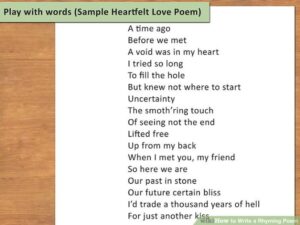
- Love: The quintessential theme, love in its various forms—romantic, platonic, or unrequited—grips the hearts of poets and readers alike. Think of it as the peanut butter in your sandwich; it makes everything better.
- Nature: Nature serves as both a muse and a backdrop, reflecting human emotions and experiences. From the blooming of a flower to the ferocity of a storm, nature’s imagery can evoke powerful feelings, just like a perfectly timed plot twist in a movie.
- Identity: Exploring personal and cultural identities allows poets to delve into the depths of self-discovery and belonging. It’s the existential journey that might make you crave a good therapy session—deep, introspective, and potentially enlightening.
- Mortality: The inevitable end is a theme that brings a depth of contemplation to poetry. It’s the final curtain call, reminding us to cherish the moments we have, like that last slice of pizza at a party.
By recognizing and exploring these themes, poets can spark inspiration for their next masterpiece, creating a rich tapestry that resonates with readers on multiple levels.
Techniques for Crafting Poems

Welcome to the whimsical world of poetry, where feelings take flight on the wings of words! Here, we’ll explore the craft of poem-making with the finesse of a tightrope walker balancing rhymes and rhythms. Grab your quill, or just your trusty keyboard, and let’s dive into the enchanting techniques that turn mundane thoughts into lyrical masterpieces!
Effective Use of Metaphors and Similes
Metaphors and similes are the glittering jewels in a poet’s crown, capable of transforming the ordinary into the extraordinary. The difference between them is as subtle as a cat’s meow—similes use “like” or “as” to make comparisons, while metaphors dive straight into the deep end. For instance, instead of saying “the moon is bright,” you could say “the moon is a silver coin tossed into the night.” To wield these tools effectively, consider the following tips:
- Be Original: Avoid clichés like “time is money” or “the world is your oyster.” Challenge your imagination to find fresh comparisons.
- Start Simple: A clear image is more powerful than an elaborate one. “Her smile was sunshine” packs a punch in its simplicity.
- Invoke the Five Senses: Engage readers by appealing to sight, sound, smell, taste, and touch. “The ocean roared like a hungry lion” brings a visceral reaction.
- Keep it Relevant: Ensure your metaphors and similes align with the poem’s theme. If you’re writing about sorrow, a comparison that evokes bright colors might confuse your reader.
Evoking Emotions through Word Choice
Poetry is the art of capturing emotions in a bottle, and word choice is your cork! Selecting the right words creates a bond with your readers, making them feel the heat of passion or the chill of despair. To do this effectively, consider the nuances of language:
- Choose Strong Verbs: Verbs that leap off the page—“danced” instead of “moved,” “shattered” instead of “broke”—create more vivid imagery.
- Opt for Connotative Language: Words carry feelings beyond their definition. “Home” feels warm and inviting, while “house” is merely a structure.
- Use Repetition for Emphasis: Repeating a word or phrase can hammer home an emotion, like a drumbeat resonating deep within the reader’s heart.
- Show, Don’t Tell: Instead of saying “I was sad,” paint a picture of sadness: “Tears splashed onto the page like rain on a window.”
Revising and Editing Poems
Revising a poem is like sculpting a block of marble—you chip away at the unnecessary bits until a masterpiece emerges. This process is crucial for enhancing quality and impact. Here are key steps to refine your poetic gems:
- Take a Break: After writing, step away for a day or two. Returning with fresh eyes can reveal flaws and spark new ideas.
- Read Aloud: Hearing your poem allows you to catch awkward rhythms or clunky phrases. It’s like taking your poem for a stroll to see how it behaves in public.
- Seek Feedback: Share your poem with trusted friends or fellow poets. Constructive criticism can provide insights that may have eluded you.
- Edit Ruthlessly: Don’t be afraid to cut lines that don’t serve the poem, no matter how much you love them. Remember, sometimes less is more!
Exploring Poetry Playscripts
Transforming poetry into a playscript is like turning a delightful soufflé from a cookbook into a full-blown culinary spectacle at a dinner party. Both require a dash of creativity, a sprinkle of collaboration, and the perfect timing to make the audience swoon. So, grab your quills and your director’s chairs! We’re diving deep into the world where stanzas meet stage directions.The art of adapting poetry into playscripts is an intricate dance that involves weaving dialogue with stage directions, ensuring that the essence of the poem shines through, even when spoken aloud.
When crafting a playscript from a poem, it’s essential to maintain the original tone and rhythm while allowing for the nuances of performance. This means dissecting the poem line by line, identifying emotional beats, and determining how actors can bring these words to life with their performances.
Dialogue and Stage Directions in Poetry Playscripts
Crafting effective dialogue and stage directions is crucial for turning poetry into a compelling performance piece. Dialogue should reflect the poem’s emotional depth while inviting actors to interpret the text dynamically. In this context, stage directions serve as the roadmap for the actors, guiding their movements, expressions, and interactions.Consider these elements when adapting:
- Maintain the Poetic Voice: Ensure dialogue stays true to the original poem’s voice, rhythm, and meter. This provides a seamless transition from page to stage.
- Character Interpretation: Define characters with distinct voices and personalities based on the poem’s themes. Actors should feel empowered to explore these roles creatively.
- Stage Directions: Clearly articulate movement, gestures, and emotional cues. Descriptive stage directions can turn a simple reading into a vivid portrayal that resonates with the audience.
Performance Elements in Poetry Playscripts
The beauty of a poetry playscript lies not only in the words but also in how they’re delivered. Performance elements such as tone, pacing, and emotional delivery are vital in enhancing the audience’s experience. Each line of poetry can carry a multitude of meanings depending on how it is articulated.Key performance elements include:
- Tone: The emotional quality of the performance should align with the poem’s sentiments. A playful poem deserves a light-hearted delivery, whereas a somber piece may require a more serious approach.
- Pacing: Adjusting the speed of delivery can heighten the impact of specific lines. A pause before a poignant statement can amplify its significance.
- Physicality: Actors should embody the poem’s emotions through their physical presence. Movement can convey meaning beyond words, enriching the overall performance.
Collaborative Process of Producing a Poetry Play
Producing a poetry play is akin to orchestrating a symphony, where each role is vital to creating a harmonious performance. Collaboration between writers, directors, and actors is essential to transform the written word into a captivating experience.The collaborative roles involved include:
- Writers: Poets or playwrights who adapt the poetry into a script. Their vision shapes the overall narrative, ensuring that the essence of the poem is preserved.
- Directors: The artistic leaders who interpret the script. They guide actors’ performances, manage pacing, and establish the visual elements of the production.
- Actors: The performers who breathe life into the words. Their interpretations can shape how the audience receives the emotional core of the poem.
Collaboration is the secret ingredient that turns a script into a performance that resonates.
Final Conclusion
In conclusion, mastering the art of poetry writing is like learning to juggle flaming torches while riding a unicycle—challenging but oh-so-rewarding! With the insights from our Poetry writing tips, you’re now equipped to experiment, create, and share your unique voice with the world. So grab your pen, summon your muse, and let the poetic adventures unfold!
Popular Questions
What is the best way to start writing a poem?
Begin with a spark—an image, a feeling, or a line that tickles your fancy. Let it flow, and don’t worry about structure initially!
How important is rhythm in poetry?
Rhythm is the heartbeat of your poem! It can elevate your words and create an emotional response, so dance with it!
Should I stick to traditional forms or try free verse?
Why not do both? Explore traditional forms for structure, then go wild with free verse to express your unique voice!
How can I improve my poetry after writing it?
Revise, revise, revise! Read it aloud, seek feedback, and don’t be afraid to cut what doesn’t serve your poem.
Is there a specific theme I should focus on?
Write about what you know and love! Themes like nature, love, and identity are timeless, but your personal experience is gold!